

Dental treatments are not so much a walk in the park for millions of Americans. If they developed a dental phobia as a result of a poor experience with a previous dentist, especially at a young age, it can make it even more difficult to receive necessary dental care. Fromuth & Langlois Dental wants all of our patients to feel comfortable during treatment, which is why we offer multiple solutions to help ease tension, anxiety, and fear while at the dental office. If you or a family member struggles to get care, feel free to give us a call and learn more about sedation dentistry!
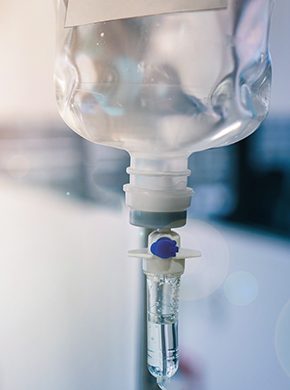
For patients with severe dental anxiety or those who need an extensive procedure, our office can provide IV sedation. The sedative is administered directly into the bloodstream, helping the patient become extremely relaxed very quickly. Not only can individuals expect a more comfortable experience, but they will be able to receive the oral healthcare they need to maintain a healthier smile.

IV sedation is a more powerful form of sedation that is administered intravenously via the hand or bend of the arm. The medicine enters the bloodstream and begins to take effect quickly. It’s commonly referred to as “twilight” sedation because while the patient remains conscious, the chances they’ll remember anything from their appointment are unlikely. The reason is that they are likely to “fall asleep;” however, they can be easily woken up by our team.
Throughout a patient’s procedure, their vitals will be closely monitored. This includes their blood pressure, oxygen, temperature, and heart rate. To ensure the safety and effectiveness of these methods, they will be provided by Greg Aprilliano, a nurse anesthetist with over 20 years of experience. He received his nursing degree from the University of Vermont and his anesthesia degree from Virginia Commonwealth University. While there, he earned the Agatha Hodgins Award for Clinical and Academic Excellence. Thanks to him, our sedation patients and their families can breathe easily and feel comfortable throughout the treatment process.
Once treatment is complete, the sedative will take time to wear off, so the patient will need to have someone drive them home and remain with them until the effects no longer exist.
Those who are considering sedation dentistry may wonder if they are a good candidate for IV sedation. Generally, it’s recommended for those who require extensive or longer procedures as well as those who are unable to visit the dentist’s office because of extreme dental anxiety.
It’s also possible for patients with sensitive gag reflexes to receive IV sedation, as this may be the only way they can undergo regular dental care because of the difficulty they experience in receiving dental work.
No matter the reason for IV sedation, our team will go over a patient’s medical history before agreeing to administer care. This will ensure there are no allergies or health-related conditions that could make IV sedation unsafe or ineffective.
There are many great benefits to receiving IV sedation, some of which include:
When a patient arrives with extreme anxiety or requires invasive and complex dental treatment, our team may suggest general anesthesia. With this more advanced form of sedation, the patient literally sleeps through the entire treatment. We use a much lighter form of general anesthesia compared to major surgery, so the patient will be able to wake up much more quickly afterward. It is also administered by Greg Aprilliano, a nurse anesthetist who has more than two decades of experience.
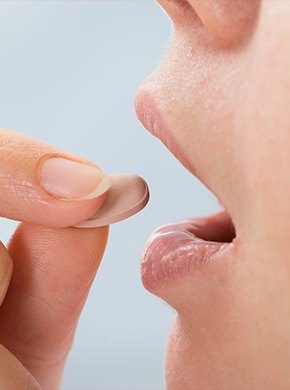
Those with moderate levels of dental fear or anxiety can expect significant benefits from oral conscious sedation. This sedative is taken in the form of a pill several hours before treatment, giving it enough time for the effects to occur. By the time your dental appointment is ready to start, you should feel incredibly relaxed and prepared to receive care. Keep in mind that you’ll still be awake for treatment, allowing you to inform the dentist about your comfort levels. Furthermore, because of the strength of the sedative, you’ll need to have a friend or family member drive you to and from the dental office.

Oral conscious sedation is a moderate sedative that’s generally considered to be weaker than IV sedation, but stronger than nitrous oxide. You’ll swallow the sedative in the form of a pill, meaning there aren’t any needles or nasal masks involved. It can take up to an hour for an oral sedative to take effect, so we’ll prescribe it to you ahead of time and instruct you to take it before your appointment. That way, you’ll already feel relaxed and at ease when it’s time to receive treatment.
It’s worth noting that oral conscious sedation doesn’t “put you to sleep” like general anesthesia. Because of this, it tends to be less expensive and doesn’t have many side effects other than making you feel drowsy for several hours. That said, the effects are strong enough that you’ll have to make arrangements for a trusted friend or family member to drive you to and from our office.
Ultimately, you’ll be conscious during your treatment with oral conscious sedation, but uncomfortable sensations will be dulled, and you’ll likely be too groggy to remember much about your experience.

Do you actively avoid making checkup and cleaning appointments? Do you have a family member with special needs that makes it difficult for them to feel comfortable in the dental chair? Then you or your loved one could be a good candidate for oral conscious sedation in Manchester. The main goal of this accommodation is to prevent getting the dental care you need from feeling like an impossible task. Since it doesn’t “knock you unconscious,” oral sedation is generally more accessible than anesthesia, and is suitable for the vast majority of patients. Rest assured, though, we’ll thoroughly review your health history and list of medications to make sure oral conscious sedation is right for you.
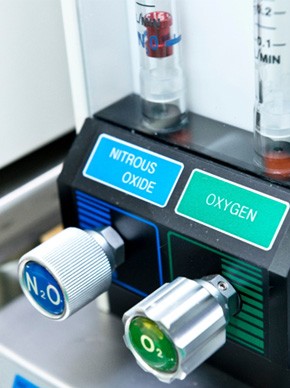
Would you say that you’re only a little nervous about having dental work performed? If so, nitrous oxide sedation may be a great way to soothe your nerves. Breathing in nitrous oxide helps put you in a relaxed, happy state, which can make it significantly easier to get the care you need. Nitrous oxide is considered safe for a wide variety of patients, so don’t hesitate to ask about it when you call our office to explore your options for sedation.

People who suffer from mild dental anxiety are often good candidates for nitrous oxide. It should be noted, however, that this form of sedation can be used in other situations as well. Do you often have trouble sitting still during dental appointments? Do you gag easily? Do you have difficulty getting numb with local anesthetic? If the answer to any of these questions is “yes,” nitrous oxide sedation may be worth thinking about.
Keep in mind, though, that nitrous oxide sedation is not recommended for those who are pregnant or currently suffering from sinus congestion. It also may not be a good choice if you have a certain type of respiratory condition. Our team can evaluate your overall health and confirm whether it’s safe for you to have nitrous oxide administered.
If you decide to have nitrous oxide sedation performed at your next appointment, it’s recommended that you avoid eating for at least two hours prior to the procedure. Our team will give you any other preparatory instructions that you might need.
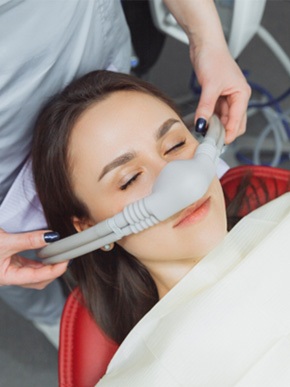
Once we’re ready to begin your treatment, we will place a small mask over your nose. You’ll breathe in the nitrous oxide (which will be mixed with oxygen) through this mask. It shouldn’t take too long for you to start to feel the effects, which will leave you in a highly relaxed state. Nitrous oxide is not meant to put you to sleep; there’s a chance that you might doze off, but it will be easy for our team to wake you up.

Once your treatment is complete, we’ll take the mask off your nose and give you a few minutes to rest in our office. The effects of the sedative should wear off quickly. We’ll keep an eye on you until we’re sure that you’re in a state where you’ll be able to drive safely by yourself.
Since the effects of nitrous oxide don’t linger for very long, you won’t have to worry about taking time off of work. Once your appointment is over, you can return to your regular daily routine right away. (The exception is if you had any sort of invasive dental work done that requires a recovery period. Our team will make sure that you have a clear idea of what to expect after your treatment so that you can plan accordingly.)

If you get nervous at the thought of going to the dentist, then you may benefit from our sedation techniques. These treatments allow you to completely relax in the treatment chair, making it much easier to get the care your smile needs. However, you may still have a few questions you need answered before you can schedule an appointment with your sedation dentist. That’s why we’ve included the answers to a few frequently asked questions about sedation dentistry below.
While dental sedation is most commonly used for patients with significant dental anxiety or phobia, we may also recommend it in other situations. We have found that sedation can benefit patients who have:
Yes. When administered by a trained professional like Dr. Fromuth, sedation dentistry is perfectly safe for patients of all ages.
Prior to your undergoing sedation, we will discuss your medical history and current medications. Certain health conditions, such as pregnancy, may complicate or make you ineligible for one or both types of sedation. By going over this information, as well as closely monitoring your vitals during your procedure, you should be perfectly safe while you’re under our care.
It depends on the type of sedation you receive. One of the main advantages of nitrous oxide is that once we stop administering the gas, its effects will subside as quickly as they set in. Within a few minutes, you should be able to drive yourself home and carry on with your normal day.
Oral conscious sedation acts differently. If you have ever taken sedatives before, you can usually expect a similar experience using our prescribed oral sedation. For most patients, the effects of the pill will last for the next 12 to 24 hours. Plan on spending the remainder of the day after your procedure resting. You’ll also need someone to drive you to and from our office.
Very few patients remember many details of their procedure if they choose to be sedated. Time may also seem to pass by much more quickly than normal. An hour-long procedure might feel like it only took five minutes. For these reasons, dental sedation is perfect for patients who have had negative dental experiences in the past; to them, it will seem as though they got their treatment done in the blink of an eye!
Our team offers a few different types of sedation so that if you cannot benefit from one kind, you can hopefully still take advantage of a more suitable option. Each of these produces different effects, and though your experience might differ based on your unique circumstances, you can usually expect the following:
Although these medications are generally considered safe for most people when they’re administered by a qualified professional, that doesn’t mean this service is right for everyone. Before proceeding, our team will take the time to update your medical history and list any prescriptions or supplements that you take regularly to avoid potential complications.
This is because there are certain pre-existing conditions and medications that increase the risks involved with dental sedation. For instance, if you have a sleep disorder, specific allergies to benzodiazepines, or severe heart disease, undergoing sedation could slow your breathing too much and result in adverse effects. Also, if you’re pregnant in your first trimester, we might recommend waiting until the third trimester or after delivery to perform your procedure to avoid harming the baby.
Although dental insurance can often be a simple and effective way to help reduce out-of-pocket expenses for dental care, it doesn’t always apply to sedation services. Many policies categorize these medications as a ‘luxury’ rather than a necessity required for your dental health, so they don’t cover the cost.
But every plan is different, and there are no guarantees, so it’s worth checking your information to verify your coverage. If you’re still concerned about the cost, you can also apply for a flexible payment plan through CareCredit, which allows you to divide your final invoice into more manageable installments if your paperwork is approved.