
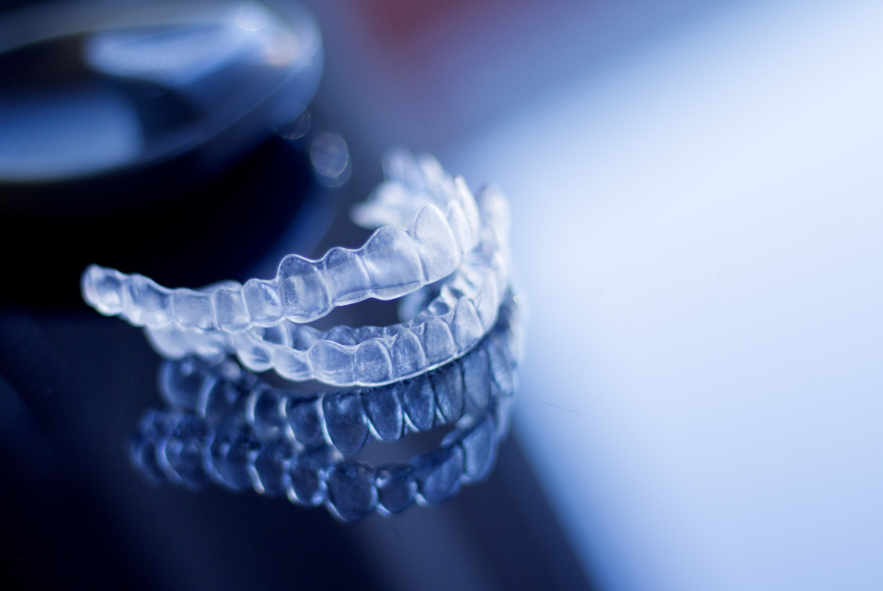
If you’re nearing the end of your Invisalign journey, you might be looking forward to showing off your new smile. But there’s one last step you may be wondering about: getting those little tooth-colored bumps removed from your teeth.
Invisalign attachments help your clear aligners move your teeth more effectively, but do they hurt to remove? Fortunately, the process is typically quick and comfortable. Here’s what you should know before your appointment.
What Are Invisalign Attachments?
Invisalign attachments are small, tooth-colored bumps made from dental composite material and bonded to specific teeth. Think of them as tiny handles that give your clear aligners a better grip, helping them apply the right amount of pressure to move your teeth.
Not everyone needs attachments, and their number, size, and placement depend on your treatment plan. Your dentist may recommend them to help rotate teeth, adjust their position, or achieve other movements that would be difficult with aligners alone.
Although attachments are designed to blend in with your natural teeth, you may notice them when your aligners are out. They can also feel a little unusual against your lips or cheeks at first.
Does Invisalign Hurt When Attachments Are Removed?
For most patients, removing Invisalign attachments causes little to no pain. You may feel some pressure or vibration as your dentist works to remove the composite material, but the procedure shouldn’t be painful.
Your dentist will use specialized dental instruments to carefully remove each attachment. They’ll then polish your teeth to remove any remaining bonding material and smooth the surfaces.
The process is generally straightforward, although the time required depends on how many attachments you have. If you’re nervous about dental procedures or have sensitive teeth, let your dentist know before the appointment. They can explain each step and help you feel more comfortable.
Can Removing Attachments Damage Your Teeth?
It’s natural to worry about your enamel when you hear that something bonded to your teeth needs to be removed. The good news is that dental professionals are trained to remove the composite material while preserving the underlying tooth structure.
After the attachments are removed, your dentist will carefully check and polish your teeth to ensure the surfaces feel smooth. You may notice that your teeth feel different without the little bumps, especially if you’ve worn attachments for several months.
Never try to remove attachments yourself. Scraping, filing, or picking at them can damage your enamel. If an attachment feels uncomfortable or comes loose before your treatment is complete, contact your dentist for guidance.
What Happens After Invisalign Attachments Come Off?
If you’ve completed your active Invisalign treatment, your dentist will typically discuss retainers with you. Teeth can gradually shift back toward their original positions, so wearing your retainer as directed is essential for maintaining your results.
Some patients need additional aligners to fine-tune their smiles before treatment is finished. In these cases, your dentist may remove, replace, or add attachments as needed.
How Can You Prepare for Your Appointment?
There’s usually no special preparation required before attachment removal. Continue practicing good oral hygiene, follow your dentist’s instructions, and bring any questions or concerns to your appointment.
If you’ve been wondering, “Does Invisalign hurt?” remember that discomfort during treatment is often related to tooth movement or switching aligners, rather than attachment removal itself.
Your final appointment is an exciting milestone, bringing you one step closer to enjoying your new smile.
About the Practice
Fromuth & Langlois Dental in Bedford, New Hampshire, provides comprehensive dental care, including cosmetic dentistry and Invisalign treatment. The practice helps patients explore options for improving their smiles through personalized treatment planning. Patients considering clear aligners can discuss their goals, treatment expectations, and ongoing care needs with the dental team.
Call us at (603) 644-3368 or schedule your appointment online