

Wisdom tooth pain has a way of making everything harder. Even simple tasks like eating, sleeping, and just getting through the day can become a slog. When these third molars become impacted or overcrowded, they can cause real damage if left untreated. At Fromuth & Langlois Dental, we offer wisdom tooth extractions in Manchester to remove problem teeth and protect the rest of your smile. Whatever your situation, we go above and beyond to make the process as smooth and stress-free as possible from start to finish.
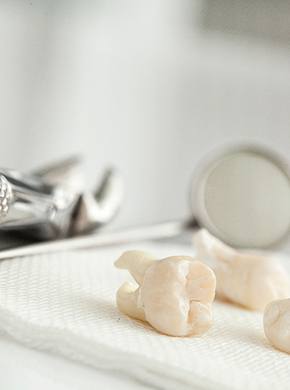
Wisdom teeth are your third set of molars—the last teeth to develop, usually making their appearance in your late teens or early twenties. They’re evolutionary holdovers from early humans who needed them to chew tougher foods. However, today, most people don't have enough room in their mouths to accommodate them comfortably.
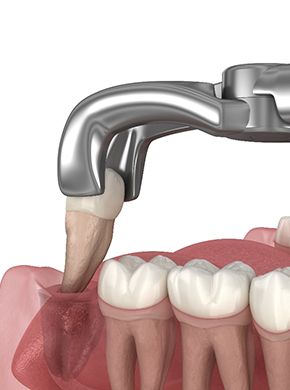
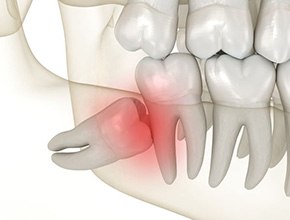
Not every wisdom tooth needs to come out, but many do. When these molars are impacted (stuck beneath your gumline) or come in at awkward angles, they can cause several complications.
Removing problematic wisdom teeth early helps prevent these problems from happening, which can save you time, money, and pain.
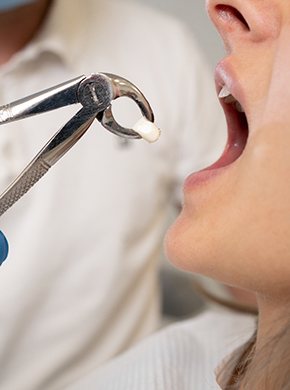
Before your extraction, our team will take detailed X-rays and review your health history to plan a safe, efficient procedure. On the day of your appointment, the area will be completely numbed so you won't feel any pain. If you’re anxious or fearful, we also offer sedation dentistry to help you stay calm and relaxed throughout.
In simple cases, each tooth is lifted from the socket using an elevator, then grasped with forceps and gently rocked back and forth until it loosens. More complex, impacted teeth may require a small incision to access the tooth before it’s sectioned into pieces and lifted free.
Afterward, we'll clean the site, place stitches if needed, and send you home to rest. The whole procedure is usually quick, comfortable, and complete.

Recovering from wisdom tooth extraction is generally smooth and simple as long as you adhere to the guidelines. You may feel a little groggy and notice some swelling in the first few days, but don’t worry, both are completely normal and will fade with time.
Plan to rest, apply cold compresses, and take over-the-counter pain relievers as directed. Stick to soft foods, avoid straws, and don't smoke or vape while you heal. If anything feels off, don't hesitate to reach out to us. Our team is always just a phone call away.

The cost of wisdom tooth extractions in our Manchester office depends on a few factors. During your consultation, we can provide an estimate that is tailored to your unique situation. We will also be happy to help you understand your payment options. For example, we can assist with insurance claims and even have an in-house discount program. We want the financial aspect of your procedure to be as low-stress as possible, so do not hesitate to ask if you have any questions!
The key factors that affect the cost of wisdom tooth extractions include:

In many cases, yes, dental insurance does partially cover the cost of wisdom tooth removal. Often, this procedure is classified as a major service, so PPO plans might cover up to 50% of its cost, up to the amount of the plan’s annual benefits maximum. Although our practice does not participate in any insurance networks, we will still be happy to help you file claims so you can get reimbursement from your insurance company.

Besides insurance, two other options that may make it easier to afford wisdom tooth removal include:
Wisdom teeth are notorious for causing problems when they arrive, and they’re not needed for survival, so they are extracted more often than not. Thanks to cooked food, eating utensils, and modern dental care, we can live safely without them. But you’re not alone if you’re wondering why we grow them to begin with.
It’s believed that early humans evolved these extra molars out of necessity. They likely lived on a rough diet of raw meat, berries, nuts, and roots, which can be hard on enamel. They may have needed additional teeth as they approached adulthood to replace any that were damaged or lost during their youth.
Most people have four wisdom teeth; one for each quadrant of the mouth. However, sources report that an estimated 25% to 37% of the population might only have one, two, or three of them, and some lucky folks don’t grow any at all!
The exact reasons for this are not entirely known, but it’s believed that genetics may play a part. For example, if one or both of your parents are missing any wisdom teeth, you may also be more likely to have fewer than.
You’re not alone if you’re feeling nervous about your upcoming procedure because you’re afraid it might hurt. Thankfully, Dr. Fromuth understands that you may be anxious and will do everything he can to help you feel calm and comfortable throughout your appointment.
For example, our team can administer a local anesthetic to your mouth to numb it before we get started, preventing your nerves from sending pain signals to your brain. We also offer multiple options for dental sedation to help even the most anxious patients feel more relaxed and at ease.
After your wisdom teeth are removed, your mouth must form blood clots at the sites to prevent a potentially painful side effect known as dry socket. Several post-operative instructions are intended to help protect it so you can heal effectively while avoiding complications, such as: